
Lower heating and cooling bills
Ceiling insulation reduces winter heat loss by up to 45 percent, directly cutting the energy needed to keep your home warm. In summer it also slows heat gain through the roof, easing the load on air conditioning.
Truganina
Ceiling insulation fitted between joists in the roof space stops winter heat loss through the ceiling, the main source of energy waste in Truganina homes. We install glasswool, polyester and rockwool batts to the R-value you need.
Share your details and Expert Insulation Melbourne will contact you about Ceiling Insulation in Truganina.
Truganina’s newer homes often have minimal or no ceiling insulation, leaving them cold in winter and overheated in summer. Ceiling insulation is bulk material laid between the ceiling joists in the roof space to trap still air and slow heat transfer. It is the most effective way to cut heating and cooling costs in this suburb.
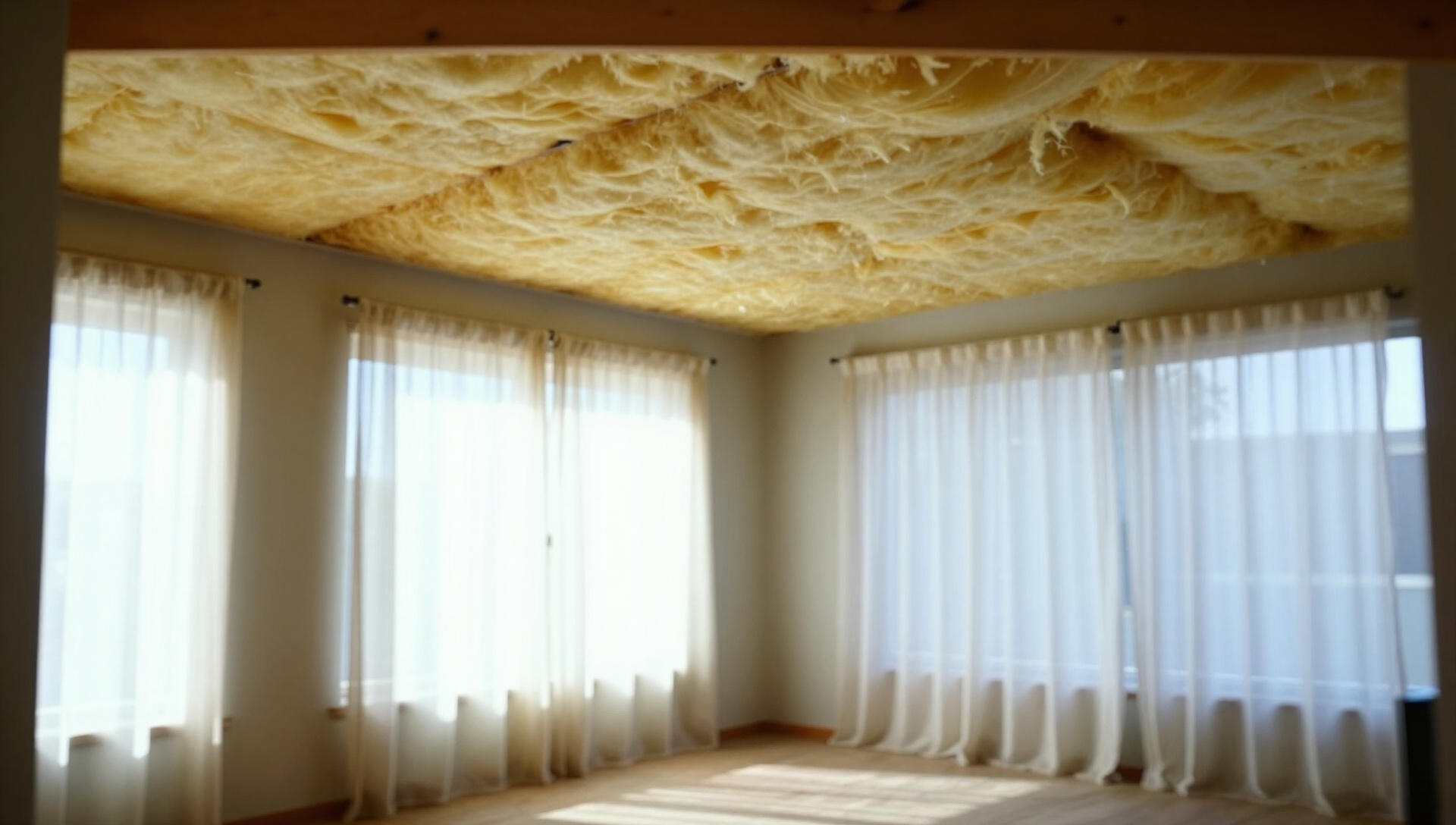
Newer estates in Truganina can be exposed to hot northerly winds and cold snaps, making consistent indoor temperatures hard to maintain. Proper ceiling insulation addresses this by reducing heat flow through the roof space.
Ceiling insulation reduces winter heat loss by up to 45 percent, directly cutting the energy needed to keep your home warm. In summer it also slows heat gain through the roof, easing the load on air conditioning.
Bulk insulation in the ceiling evens out temperature swings between day and night. Rooms stay warmer for longer in winter and cooler in summer without constant heating or cooling.
Insulation raises the surface temperature of the ceiling, reducing the chance of condensation forming on cold surfaces and the moisture issues that follow.
Bulk batts absorb airborne noise from outside and between floors, dampening traffic sounds and voices from other parts of the house.
Quality batts retain their thickness and R-value over time when installed correctly, unlike old compressed material that loses effectiveness.
Ceiling insulation suits standard timber or steel-framed roofs with accessible roof spaces. We work around cables, pipes and downlights to ensure safe, compliant installation.
We begin with a roof space inspection to check access, existing insulation and any hazards. Then we prepare the area, lay the batts and clean up, leaving your home as we found it.
We access the roof space via the manhole to measure the area, note the joist spacing and check for old insulation, dust, moisture or asbestos-like materials. If asbestos is suspected, work stops until a qualified assessor inspects it.
We lay temporary flooring in the roof space to protect ceilings and ensure safe footing. Cables and downlights are identified and marked to maintain required clearances.
Batts are cut to fit snugly between ceiling joists without gaps or compression. We use friction fit for timber joists and straps or adhesive for metal frames. Reflective foil is added under the roofing if requested.
All offcuts and packaging are removed from the roof space and site. We do a final walkthrough to confirm the insulation is continuous, clearances are correct and the manhole is properly sealed.
Truganina’s post-2000 estates often have large roof spaces with easy access, making ceiling insulation straightforward. Many of these homes were built with little or no insulation, so adding batts now delivers immediate comfort and cost savings. Nearby Tarneit and Williams Landing share similar housing stock and climate exposure.
Effective ceiling insulation for Truganina homes to reduce heat loss and energy costs.
Homeowners in Truganina often ask about R-values, access and whether their home needs ceiling insulation. Here are the answers.
Ceiling insulation in Truganina targets the main path of heat loss in homes, the ceiling and roof space. In Melbourne’s climate, uninsulated ceilings can lose up to 45 percent of winter heat, forcing heating systems to work harder and driving up energy bills. Bulk insulation batts fitted between ceiling joists slow this heat transfer, keeping homes warmer in winter and cooler in summer.
Truganina’s newer homes often have large, accessible roof spaces ideal for retrofitting ceiling insulation. Glasswool, polyester and rockwool batts are the most common materials, chosen for their thermal resistance, fire performance and durability. Typical ceiling R-values in Melbourne range from R4.0 to R6.0, with higher values offering greater resistance to heat flow.
Before installing new batts, we check for old compressed or damaged insulation that may need removal. We also ensure clearances are maintained around downlights, flues and electrical cables to meet safety standards. If the roof space has limited access or structural constraints, we discuss alternative solutions such as reflective foil under the roofing.
Reduce winter heat loss and summer heat gain with ceiling insulation installed by Expert Insulation Melbourne. Call 0399695249 or email info@expertinsulationmelbourne. com. au for a quote.